

BLOG: FARM UPDATES
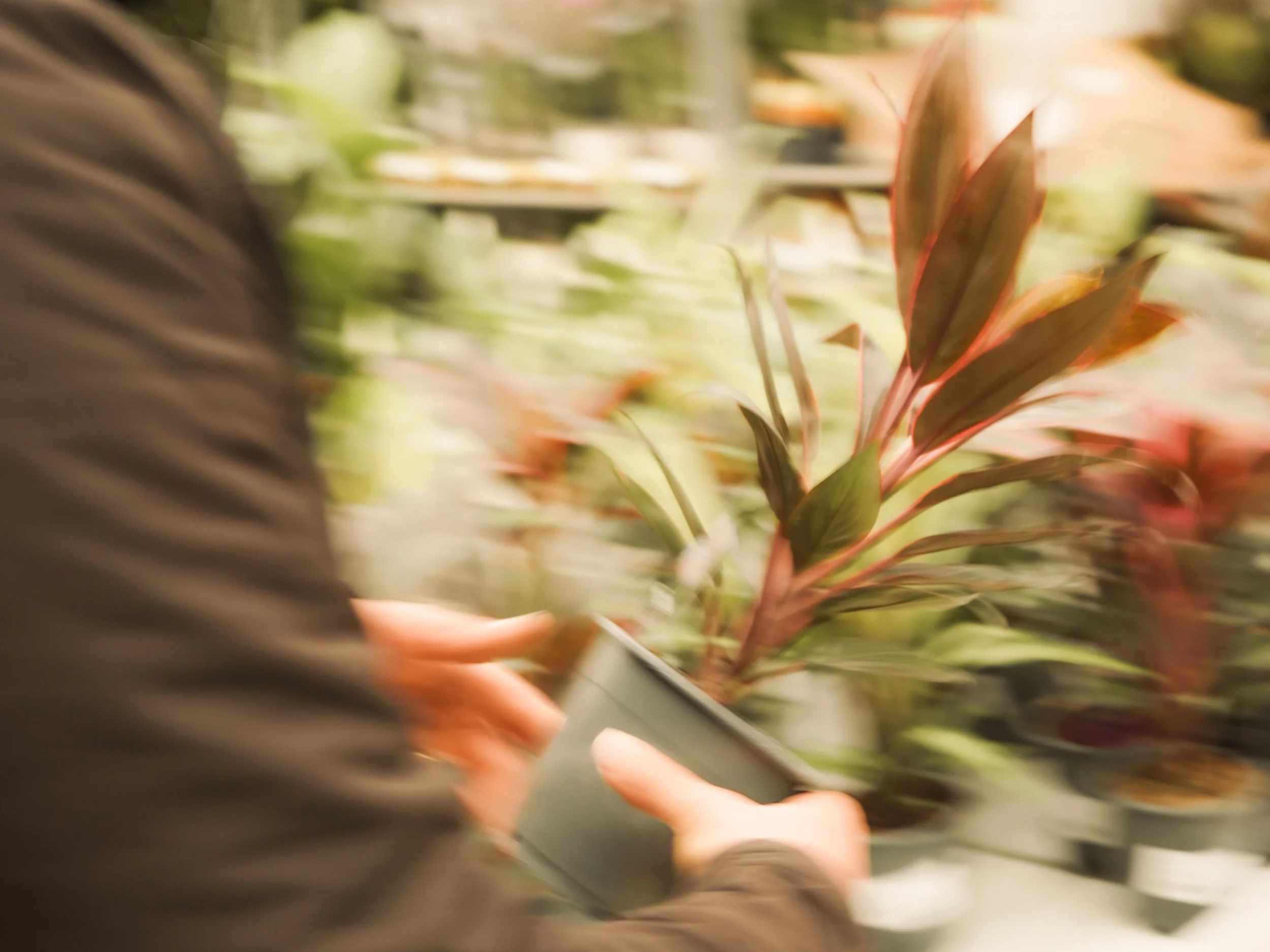
CHOOSING THE RIGHT BLOOMS, ADVICES FROM OUR GARDENER DAVID
With the arrival of spring and the first signs of brighter days, our garden enters a new phase. After clearing the ground of weeds and stones, the most anticipated moment has arrived. Choosing and planting the flowers that will bring more color to the Quinta.
The garden is a place to wander without direction, guided by the curiosity to discover and observe in detail.
To create this atmosphere, our gardener carefully selected each plant. Different colors, shapes, and flowering times, so that the garden always offers a new and unique experience throughout the seasons.
Beyond aesthetics, choosing plants suited to the soil and climate is essential to ensure healthy growth and lasting blooms.
Observing the leaves, stems, and if they have buds helps identify the strongest plants and those ready to flourish more.
A garden is an experience for all the senses, aroma also matters. Before choosing, get closer to the flowers and smell their fragrance. Some are subtle, others intense, but all contribute to creating a complete sensory experience.
WATCHING THE EUCALYPTUS TREES COME BACK TO LIFE
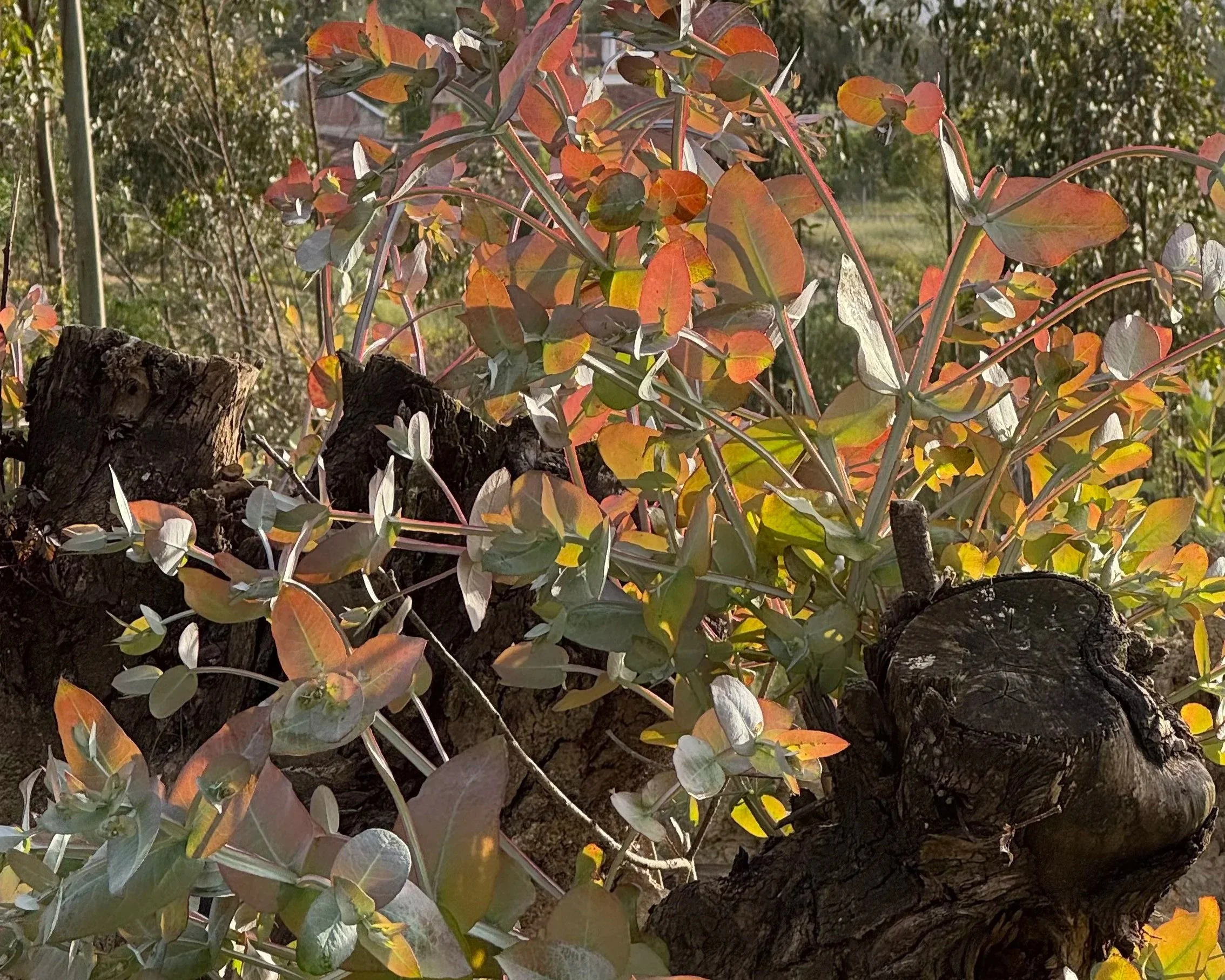
Spring brought transformation to Quinta Filippa. Across the forest, fresh green leaves are emerging from branches that only weeks ago appeared still, bringing new life to the land. One of the most striking details has been watching eucalyptus trees affected by the storm slowly regenerate. New shoots now emerge from broken trunks and fallen branches, creating landscapes where strength and delicacy coexist.
These signs of renewal have become part of our walks through the Quinta, as the forest gradually awakens once again.
Although eucalyptus must be carefully managed due to their impact on water consumption and soil balance, they also play an important role for pollinators. Their flowers attract bees, and the natural compounds found within eucalyptus are believed to support hive health.
As the land continues to regenerate, new colours, textures, and life continue to emerge across the estate.
A NEW GENERATION
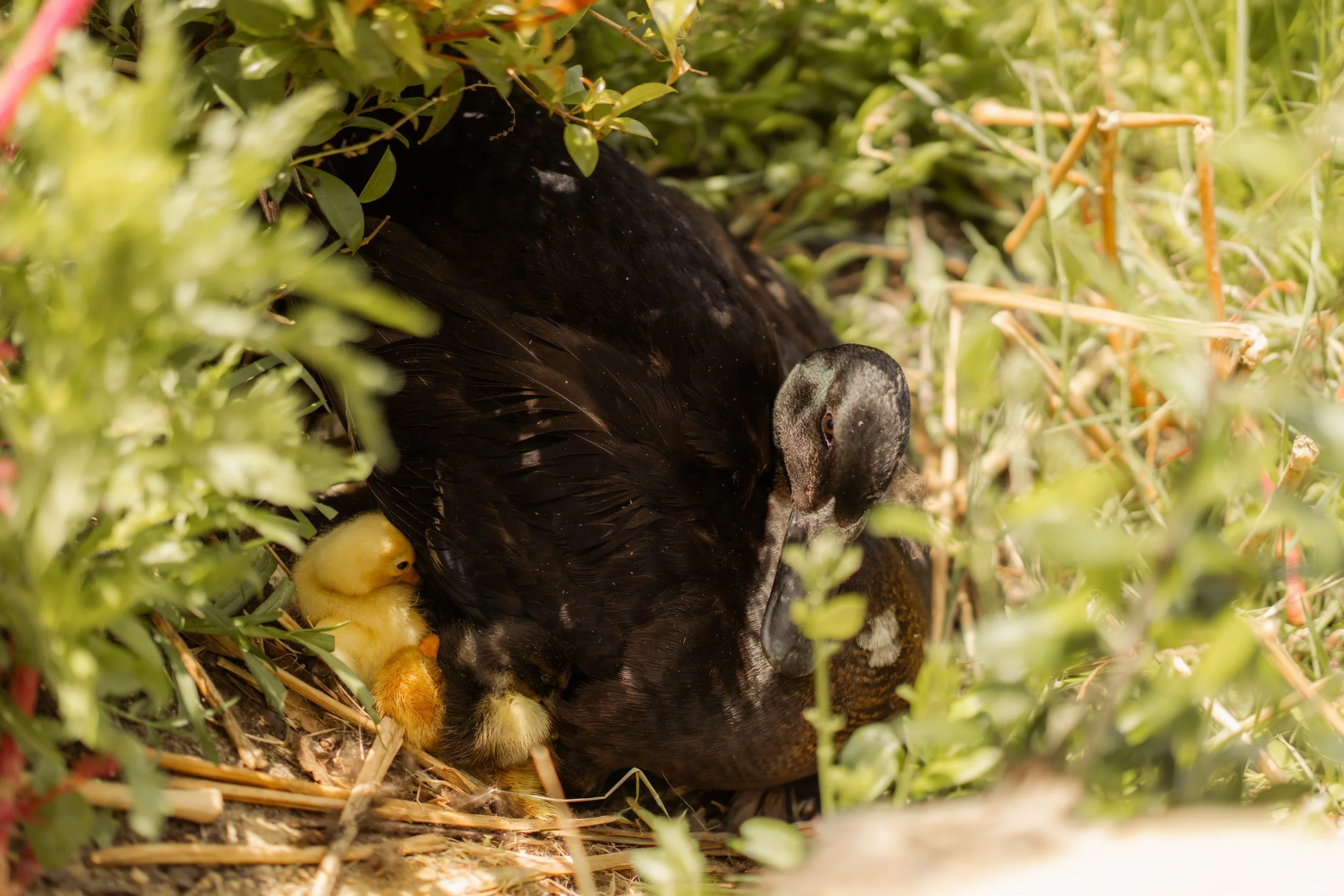
This week, our growing family welcomed five new members. For several weeks, we had been eagerly awaiting this moment, as one of our ducks hatched five ducklings, bringing a renewed sense of wonder to Quinta Filippa.
Two are soft yellow, while three wear delicate black plumage, already distinct in their character and charm.
From their very first days, they have begun to explore the edges of the lake, guided by curiosity and instinct. We have already learned so much from these little ones, discovering just how precocious ducks are, arriving in the world ready to swim. It has been a joy to watch them explore the world together, never straying far from one another.
CLONING PLANTS
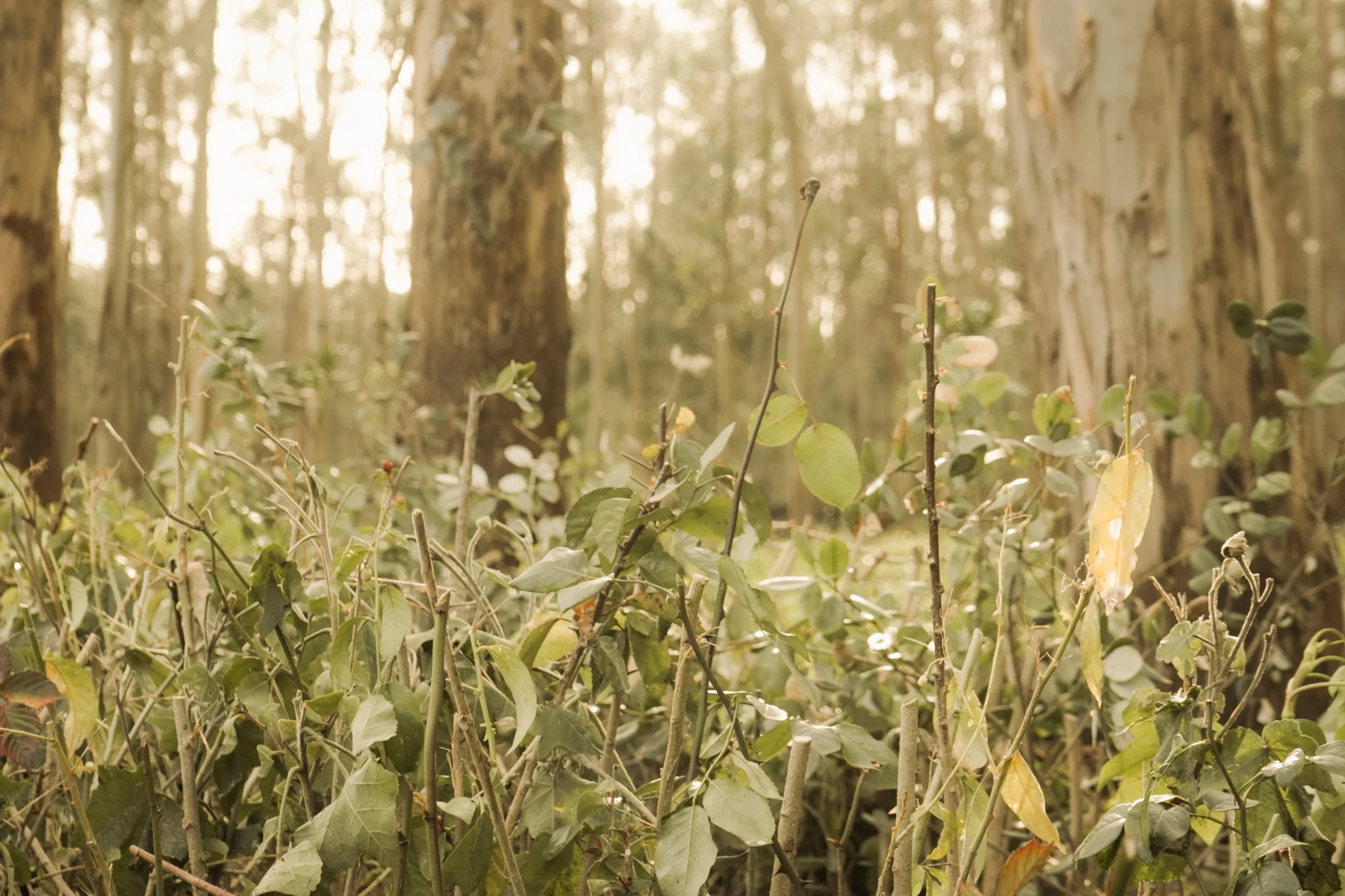
At first, this might look as we are simply cutting plants. But in reality we are creating life and expanding our garden.
Cloning plants is an ancestral gardening method used to create genetically identical copies of a plant, leveraging cells' natural ability to regenerate into whole plants.
This natural technique requires the right timing and knowledge, guided by nature’s rhythms. It is usually done in January, when resin flow is reduced or dormant due to winter and fewer hours of sunlight and in periods when the moon is in its waning phase.
Our gardeners select each plant, since only certain species are suitable for cloning. Plants with high resin levels, for example, are avoided. Then they choose branches with the right level of maturity and that have two or three nodes, and apply the cutting or layering technique (in this reel our gardeners are using the wedge cut).
The stem must be cut in the right place and shape and planted correctly to take root, grow, and develop into a healthy new plant. We are doing this now so that, by spring, more plants will be ready to bloom, filling our Quinta with a rainbow of colors and life.
OUR FIRST ANIMALS
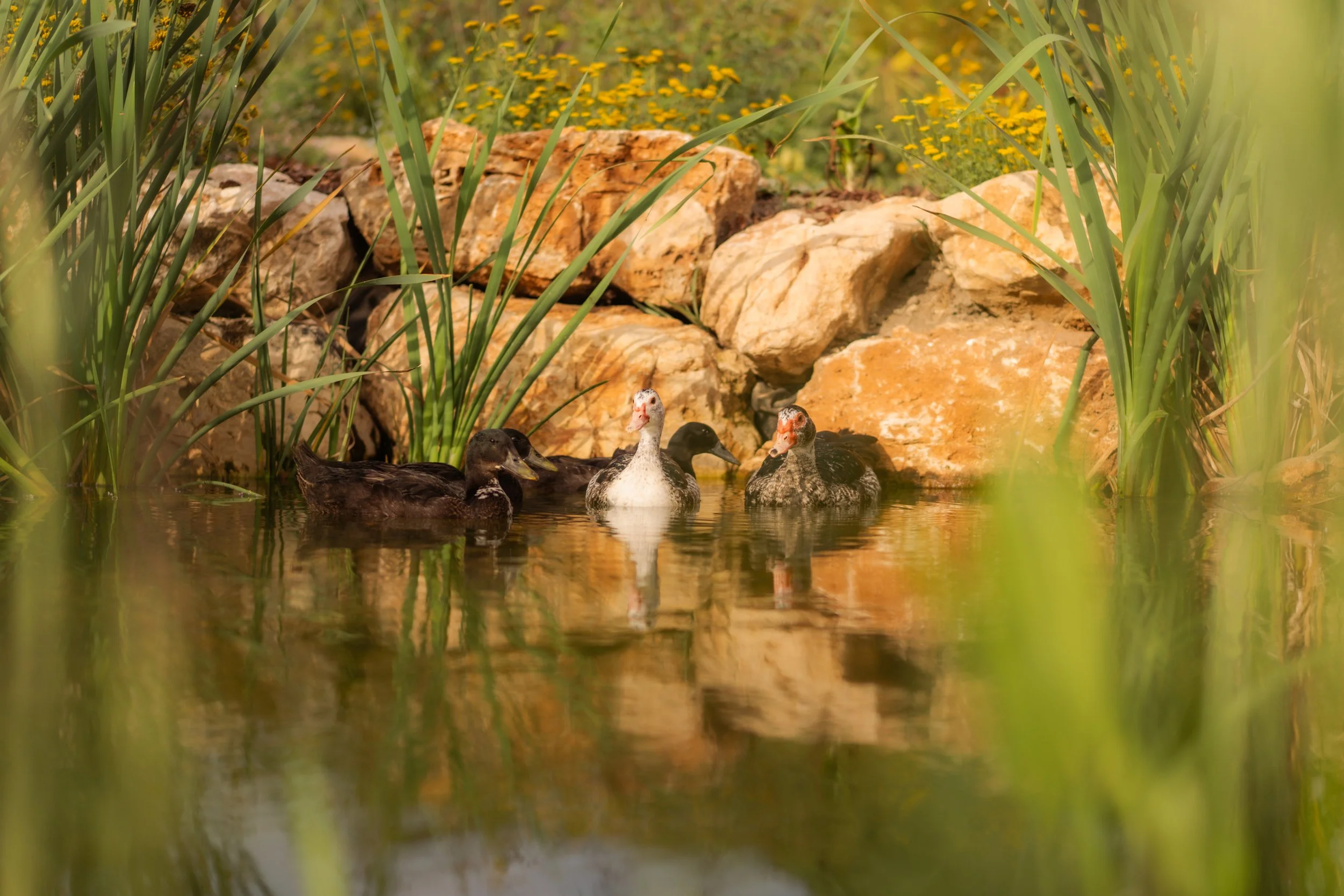
We are delighted to share that Quinta Filippa has welcomed its very first animals to the farm. Five ducks have made their home in our ponds, filling the space with movement and life. Pedro and Paula were purchased during a Casal novo festa, while the three black ones, a species known as Pato Turco, were a gift from the father of Ivo, our farm manager and neighbour. Since their arrival, they have bonded beautifully and now spend their days swimming, exploring, and staying close together. Their presence marks the beginning of a new chapter for the farm!
AROMATIC GARDEN
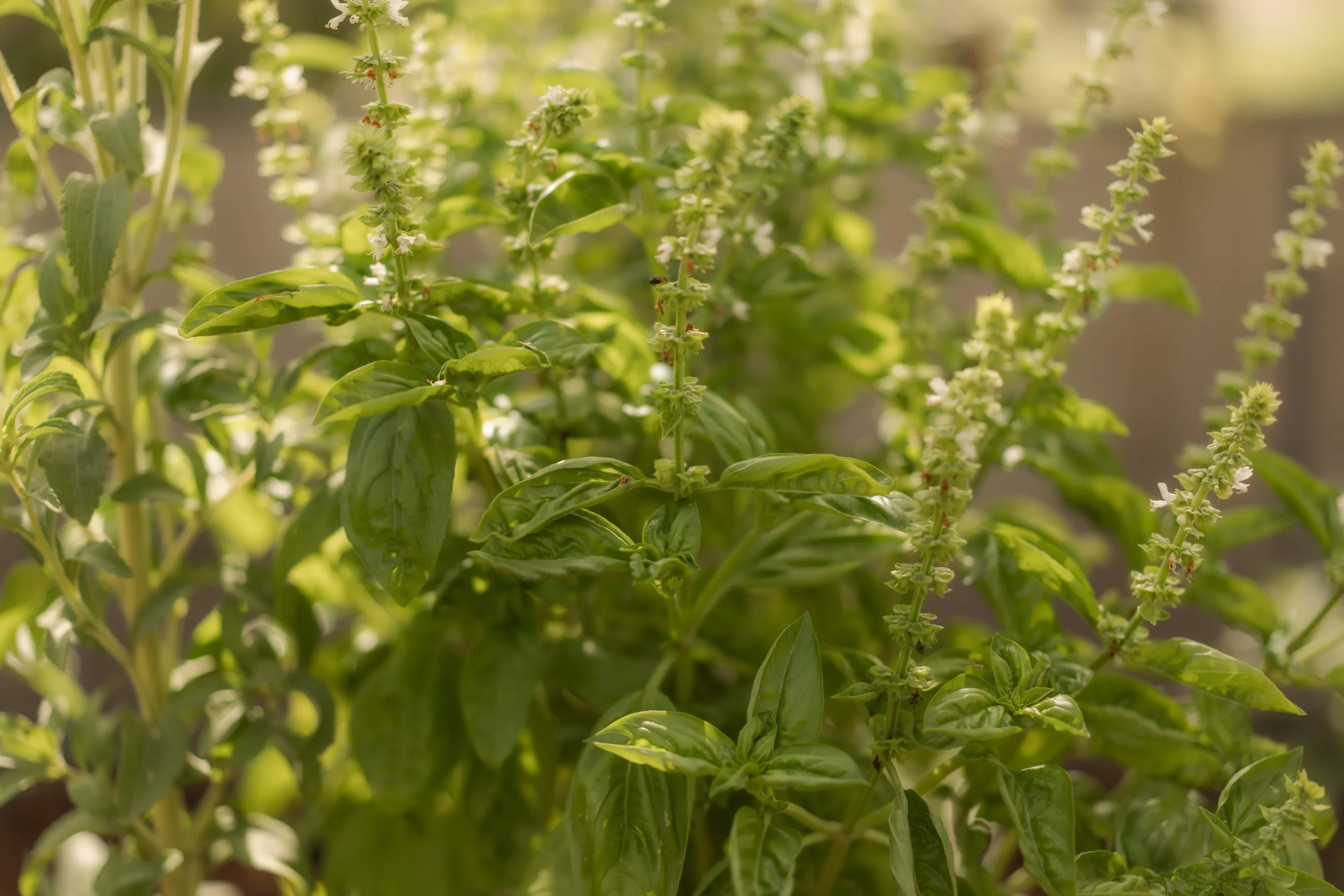
Tucked into the heart of Quinta Filippa, the Aromatic Garden brings together fragrance, texture, and flavour to enrich our guest experience. This cultivated space is home to over 25 herbs and plants, many of which were grown from cuttings in the Quinta’s own greenhouse. Guests can discover a variety of mint, from pineapple and chocolate to Moroccan and orange, along with lavender, lemon thyme, cascading rosemary, sage, and wild thyme, which gently scents the paths underfoot. Culinary essentials like basil, parsley, coriander, oregano, and chives grow in abundance. The garden also features rhubarb, incense plant, and white-flowered lavender and rosemary. It is a living source for the kitchen and for connection to the land.
A GARDEN IN BLOOM
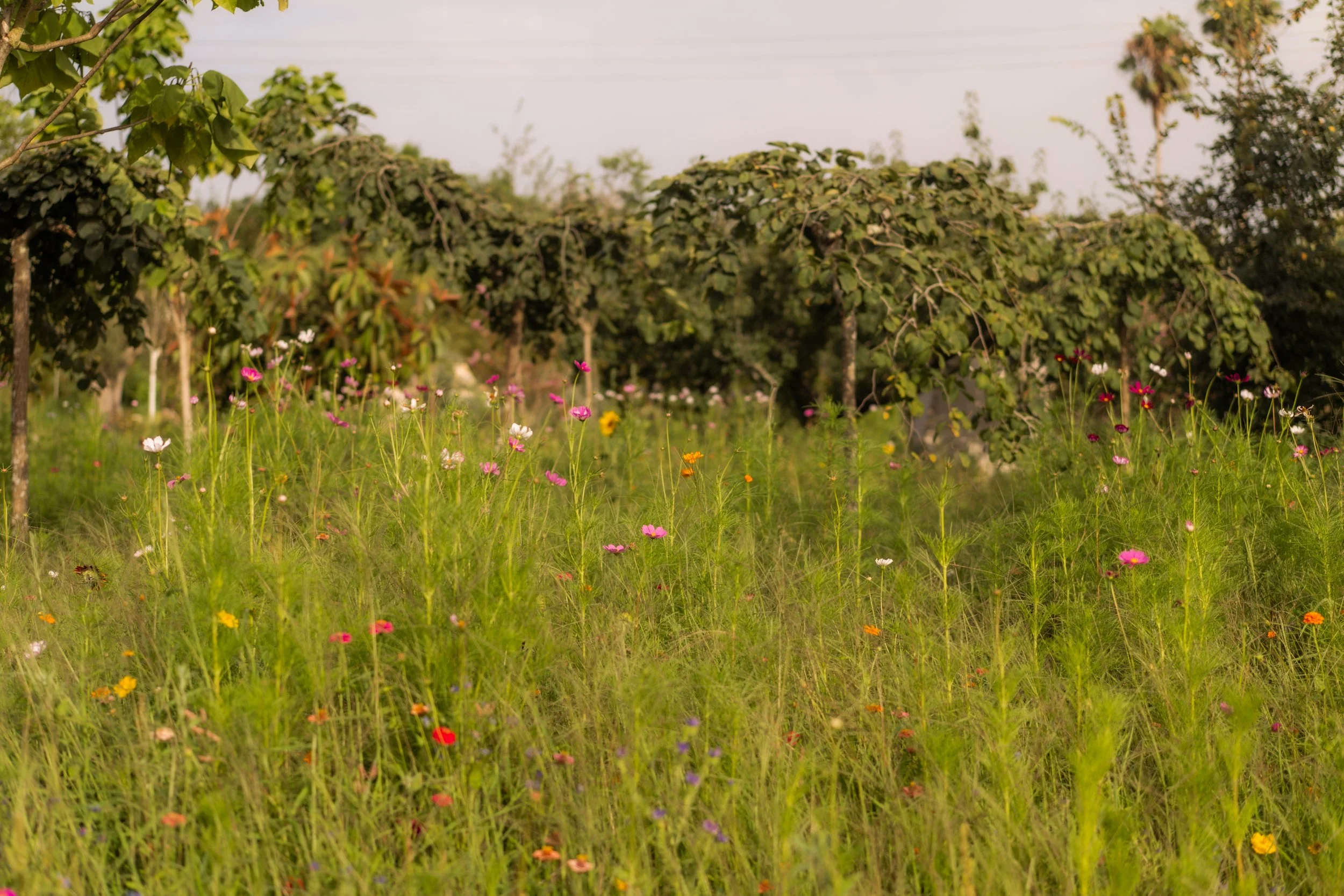
The tropical garden is taking shape. Since 2024 the land has been reimagined, with each section planned by color, scent, bloom time, and texture. Recent plantings include Brugmansias, lavender, Nandinas, hydrangeas, rosemary, Abelia triflora, bamboo, and citrus trees placed near the house to support both the kitchen and natural insect balance. Herb beds feature companion species for culinary use and pest control. To protect the soil and support long-term health, bark mulch has been layered over biodegradable plastic to suppress weeds without chemicals. This layer will be removed as plants establish. More than 10,000 trees and plants now contribute to a landscape created for year-round beauty. Native and exotic species coexist. Some support pollinators, others offer shade or color, and many are simply planted for the joy they bring. Mike’s vision is a living and evolving garden, abundant and free-flowing. Each path and planting invites guests to explore, pause, and experience nature.